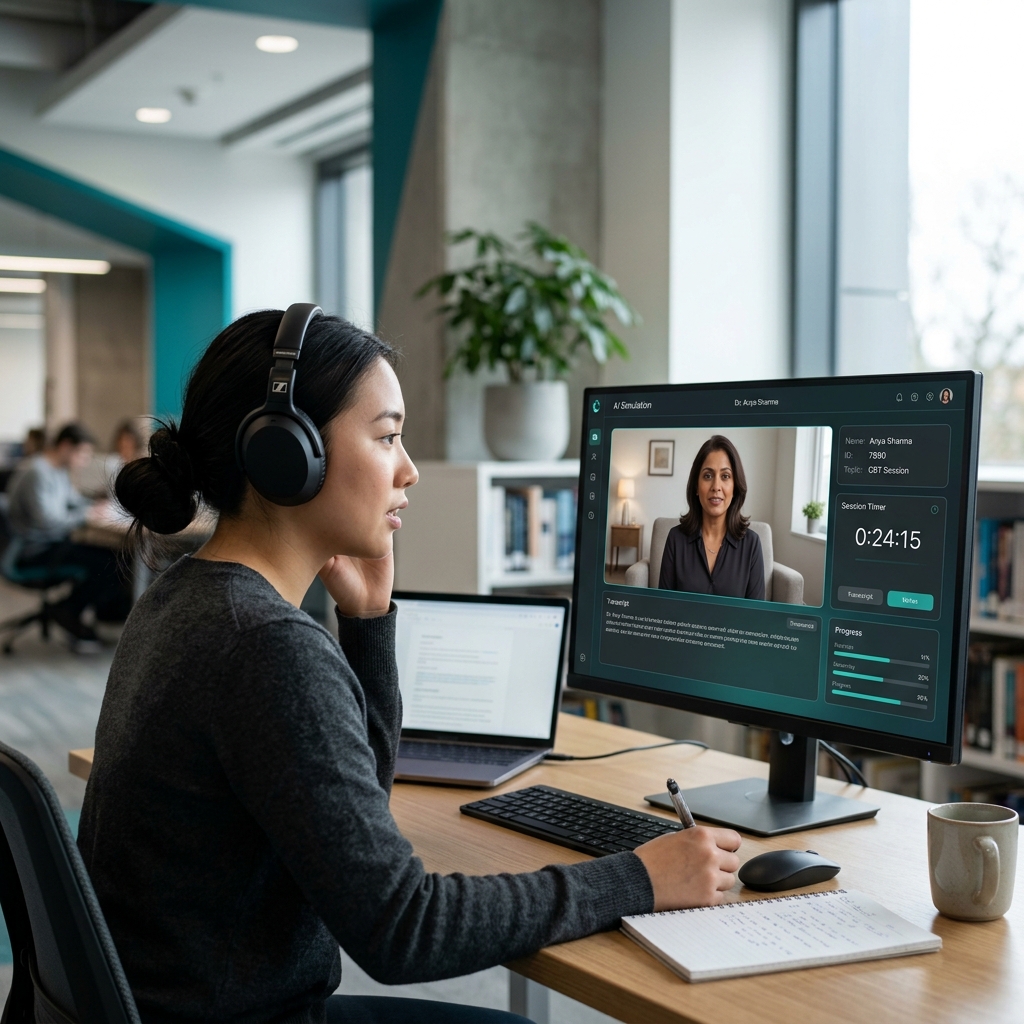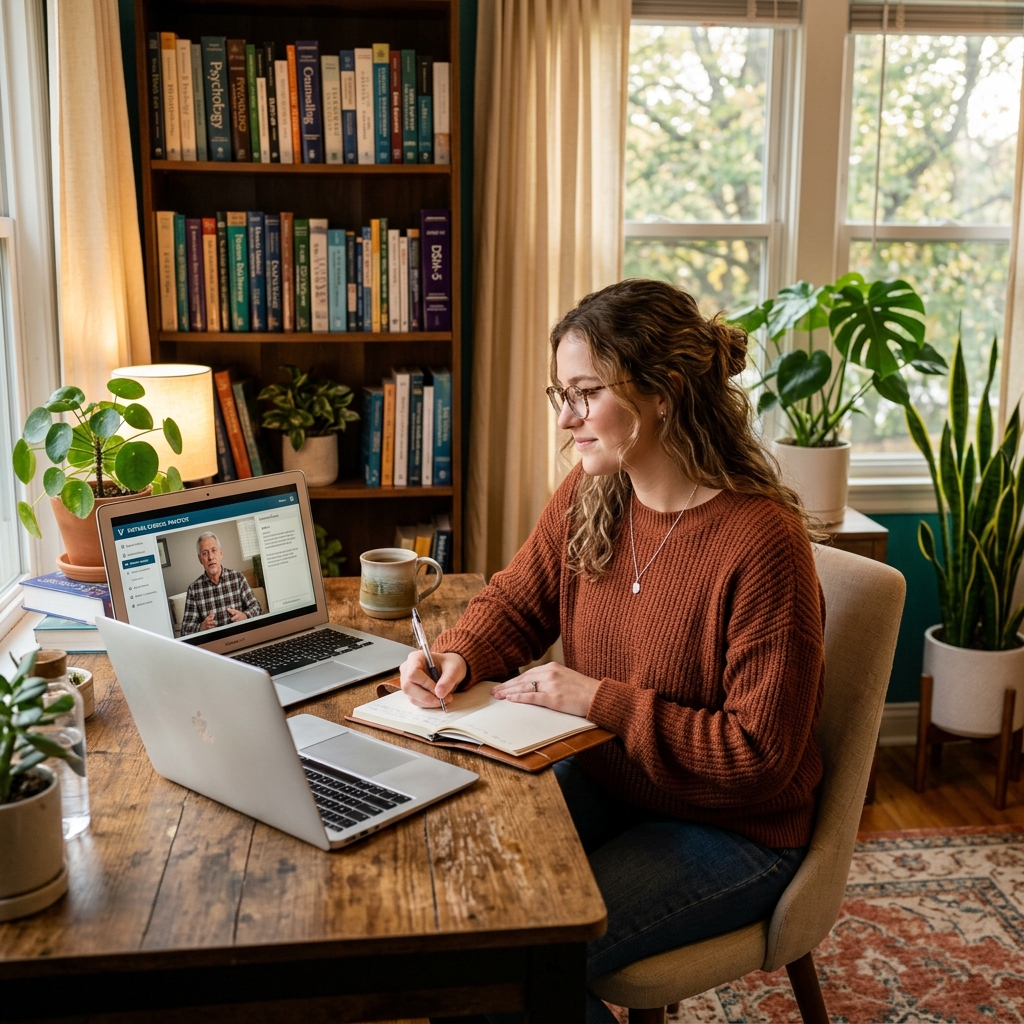
Simulated patients help counselling students build clinical confidence by providing a safe, repeatable environment to practise therapeutic techniques. Students can make mistakes without consequences, re-run scenarios, and receive objective feedback on their empathy, pacing, and questioning.
The transition from classroom to clinic is one of the most anxiety-inducing phases of a counselling student's education. After months — sometimes years — of studying therapeutic models, ethical frameworks, and diagnostic criteria, students face the daunting reality of sitting across from a real person in distress. Many students report feeling underprepared, not because their theoretical knowledge is lacking, but because they have had too few opportunities to practise applying that knowledge in realistic clinical settings. This confidence gap is where simulated patients make the biggest difference.
The Confidence Gap in Psychology Training
Studies show 68% of psychology students report significant anxiety before their first clinical placement. The gap between learning techniques in lectures and applying them with real clients is where confidence breaks down. Traditional role-play with classmates helps but lacks realism and can feel awkward. Students often hold back from truly challenging each other, resulting in practise sessions that are too comfortable to be genuinely useful. The interpersonal dynamics of role-playing with friends — worrying about being judged, or not wanting to make a peer uncomfortable — undermine the very learning the exercise is meant to produce.
Furthermore, the feedback loop in classroom role-play is inconsistent. Peers may not know what to look for, and self-assessment is notoriously unreliable in skill-based learning. Students need a practice environment that feels realistic enough to provoke genuine clinical responses while remaining psychologically safe enough to encourage risk-taking and experimentation.
What Are Simulated Patients?
Simulated patients are actors or AI-powered avatars that portray realistic clinical scenarios. They present with genuine-seeming symptoms, respond to therapeutic interventions, and create an experience close to real clinical practice. AI-powered versions like those on Psych Ready can operate 24/7 without scheduling constraints. Unlike human actors, AI patients maintain perfect consistency — presenting the same clinical scenario identically each time, or varying their responses based on the student's approach, depending on the training objective.
The concept of simulated patients originated in medical education in the 1960s with Dr Howard Barrows at the University of Southern California. Since then, the approach has been adopted across health professions. The integration of AI into simulated patient technology represents the latest evolution, making the methodology more accessible, scalable, and affordable than ever before.
5 Ways Simulated Patients Build Clinical Confidence
- ✓Safe failure environment — Students can make clinical errors without harming anyone. Trying and failing is how skills solidify.
- ✓Repetition without fatigue — Unlike human actors, AI patients never tire. Students can re-run the same scenario 10 times to master a technique.
- ✓Objective feedback — AI-driven feedback removes the subjectivity of peer or self-assessment, identifying patterns students might miss.
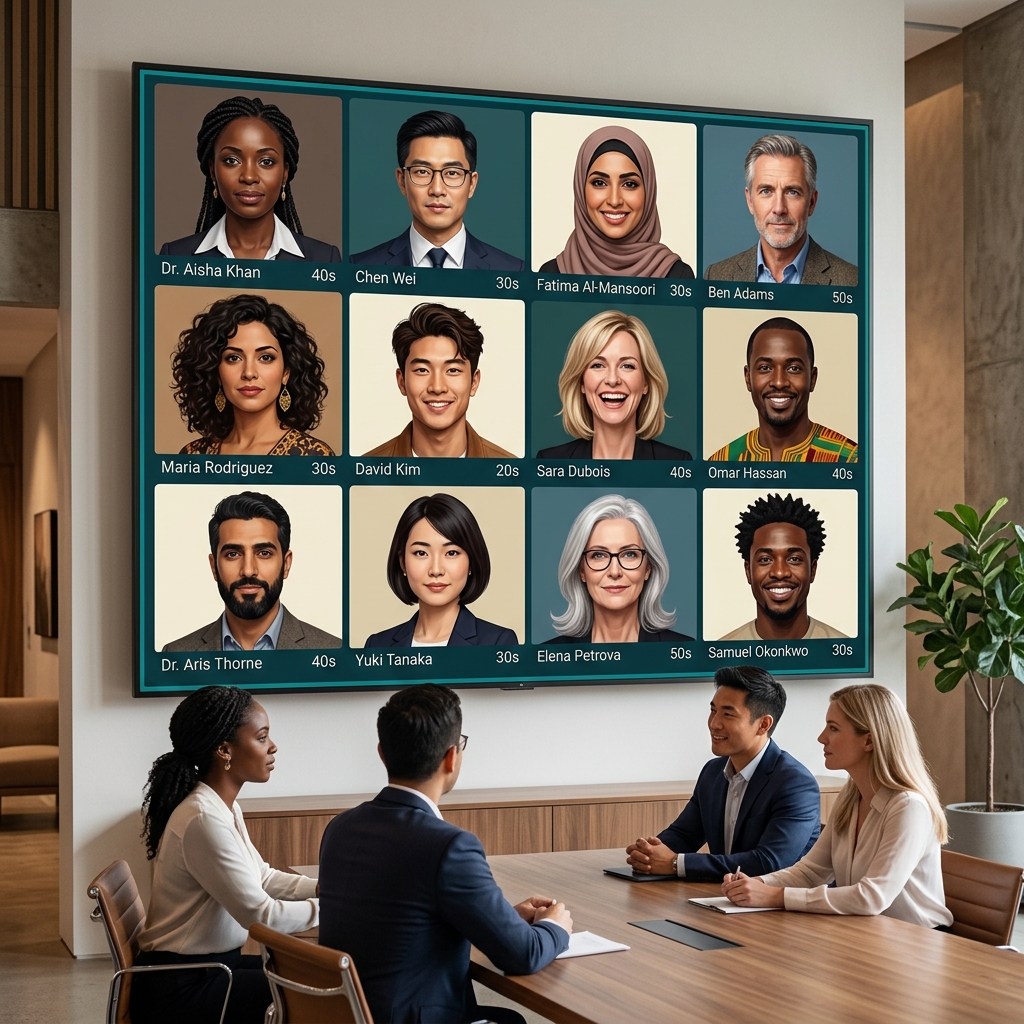
- ✓Diverse presentations — Platforms like Psych Ready offer clients from varied cultural backgrounds, preparing students for real-world caseloads.
- ✓Progressive difficulty — Students start with straightforward presentations and advance to complex, high-risk scenarios at their own pace.
Each of these factors contributes to a cumulative effect: students arrive at their first placement having already navigated dozens of clinical conversations. They have practised opening sessions, managing silence, responding to distress, exploring sensitive topics, and closing sessions safely. The simulation does not replace the richness of human interaction, but it provides the repetitions needed for fundamental skills to become automatic — freeing students to focus on the relational and intuitive aspects of therapy during real encounters.
Real-World Impact on Placement Readiness
Students who practise with simulated patients before placements report higher self-efficacy scores and lower anxiety. They enter real clinical settings having already navigated difficult conversations — managing resistance, exploring sensitive topics, and maintaining therapeutic boundaries. Supervisors consistently note that simulation-trained students demonstrate stronger foundational skills in their first weeks on placement, require less remediation, and adapt more quickly to the demands of real clinical work.
The evidence base for simulation-based training continues to grow. A 2024 meta-analysis of 47 studies across health professions found that students who completed simulation training scored 22% higher on objective structured clinical examinations (OSCEs) compared to those who received traditional didactic instruction alone. While the psychology-specific literature is still developing, early results are promising and consistent with findings from medicine, nursing, and allied health.
Getting Started with Simulated Patient Practice
If your psychology program is exploring simulation-based training, consider platforms specifically designed for psychology and counselling students. Generic healthcare simulators may address clinical interviewing at a surface level, but they often miss the nuances of therapeutic modalities, relational dynamics, and culturally responsive practice that define quality psychology training. Look for platforms that offer voice-based interaction, culturally diverse client profiles, and feedback aligned with your accreditation standards.
Psych Ready offers AI-powered virtual clients with diverse cultural backgrounds, real-time voice interaction, and dynamic competency mapping across psychology, counselling, mental health nursing, medicine, and psychiatry. Book a demo at psychready.ai/contact to see how it works. Whether you are a program coordinator evaluating tools for your cohort or an individual student looking to supplement your training, simulation-based practice is one of the most effective ways to build the confidence needed for clinical success.
Frequently Asked Questions
Psych Ready Team
Building the future of psychology education with AI-powered clinical simulation.