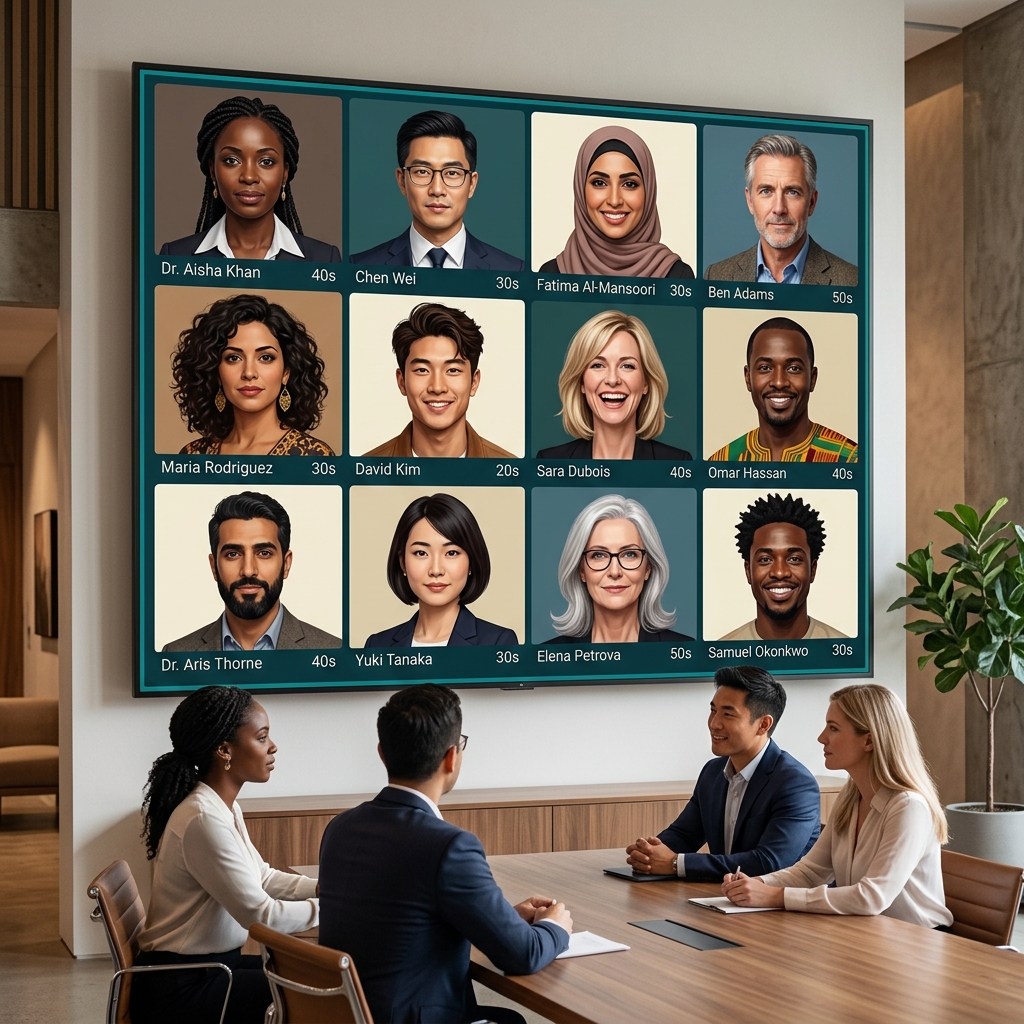
Cultural competency training for psychology students combines theoretical frameworks with practical simulation exercises. AI platforms like Psych Ready provide exposure to clients from diverse cultural backgrounds — including East African, South Asian, Middle Eastern, and European presentations — with authentic accents and culturally informed responses.
Australia's population is one of the most culturally diverse in the world. According to the Australian Bureau of Statistics, nearly 30% of Australians were born overseas, and more than 300 languages are spoken across the country. For psychology students preparing to enter clinical practice, cultural competency is not an optional add-on — it is a core professional requirement. Yet traditional training methods often fall short of providing students with the depth and breadth of cross-cultural clinical experience they need. This gap between curricular intention and practical preparation is where technology is beginning to make a meaningful difference.
Why Cultural Competency Matters in Psychology
Cultural competency in psychology refers to the ability to understand, communicate with, and effectively provide services to people from diverse cultural backgrounds. It encompasses awareness of one's own cultural biases, knowledge of different cultural worldviews, and the skills to adapt therapeutic approaches to meet culturally diverse clients' needs. Research consistently demonstrates that culturally competent practitioners achieve better therapeutic outcomes, stronger working alliances, and lower dropout rates with diverse client populations.
The Australian Psychology Accreditation Council (APAC) and the Australian Psychological Society (APS) both emphasise cultural responsiveness as a core competency. Graduate programs are expected to produce practitioners who can work effectively across cultural boundaries — yet many students report feeling inadequately prepared for this aspect of clinical work when they reach their placements.
Limitations of Traditional Cultural Competency Training
Traditional approaches to cultural competency training rely heavily on textbook content, classroom discussions, and occasional guest lectures from practitioners with diverse backgrounds. While these methods build theoretical awareness, they rarely provide the experiential learning that deep competency requires. Students may understand concepts like collectivism versus individualism or the impact of migration stress in the abstract, but they have limited opportunities to practise applying this knowledge in realistic clinical conversations.
Role-play exercises with classmates are another common approach, but they have significant limitations. Students from the dominant cultural group often lack the lived experience to authentically portray clients from different backgrounds, leading to stereotyped or superficial interactions that may actually reinforce biases rather than challenge them. Even with the best intentions, peer role-play cannot replicate the linguistic nuances, non-verbal communication patterns, and cultural frames of reference that characterise genuine cross-cultural clinical encounters.
How AI Simulation Addresses the Gap
AI-powered simulation platforms represent a significant advancement in cultural competency training. By creating virtual clients informed by genuine cultural frameworks, these platforms allow students to practise cross-cultural clinical work repeatedly, safely, and with structured feedback. Unlike classroom role-play, AI clients can present authentic cultural perspectives, communication styles, and clinical presentations shaped by genuine cultural research and community consultation.
The key advantage of AI simulation for cultural competency is scale. A single platform can offer exposure to clients from a wide range of backgrounds — far more than any individual program could arrange through standardised patient actors or guest speakers. Students can practise with clients from East African, West African, East Asian, South Asian, Middle Eastern, European, and Indigenous Australian backgrounds, each with culturally informed responses, values, and communication patterns.
Cultural Backgrounds Available on Leading Platforms
Psych Ready currently offers virtual clients from seven distinct cultural backgrounds, each developed with input from cultural consultants and community members. These avatars are not merely visual representations — they embody culturally informed attitudes toward mental health, help-seeking behaviour, family dynamics, and therapeutic engagement. For instance, a client from a South Asian background may present with somatic symptoms of distress and express reluctance about individual therapy, preferring family involvement. A Middle Eastern client might navigate complex intergenerational dynamics around expectations and identity.
This variety is important because cultural competency cannot be developed through exposure to a single non-dominant culture. Students need to practise adapting their approach across multiple cultural contexts, recognising that diversity is not a monolith. Each cultural background brings unique considerations, and the skills transfer from one cross-cultural interaction to another is where genuine competency emerges.
Best Practices for Building Cultural Competency
- ✓Begin with self-reflection — Cultural competency starts with understanding your own cultural identity, assumptions, and biases. Simulation is most effective when combined with reflective practice.
- ✓Engage with multiple cultural perspectives — Avoid reducing cultural competency to a single cultural group. Seek exposure across diverse backgrounds to develop flexible, adaptive skills.
- ✓Practise cultural curiosity, not cultural expertise — The goal is not to memorise cultural facts but to develop a stance of genuine curiosity and respect that invites clients to share their own cultural experience.
- ✓Seek feedback on cultural responsiveness — Use AI-driven feedback or supervisor input to identify moments where cultural assumptions may have influenced your clinical decisions.
- ✓Integrate cultural considerations into case formulation — Move beyond surface-level cultural awareness to consider how cultural factors shape symptom presentation, treatment preferences, and therapeutic goals.
- ✓Engage with community and cultural organisations — Supplement simulation-based training with real-world engagement in diverse communities to build authentic understanding.
Institutional Implementation
For program coordinators looking to enhance cultural competency training, AI simulation should be embedded within a broader curricular strategy rather than treated as a standalone intervention. The most effective approach integrates simulation exercises with existing cultural competency coursework, reflective journalling, supervised debrief sessions, and community engagement activities.
Consider a structured progression where students begin with foundational cultural awareness content, move to simulated cross-cultural clinical encounters with increasing complexity, and then apply their developing competency in supervised real-world placements. AI simulation sits at the middle of this progression — translating theoretical knowledge into practical skill through experiential learning, before students encounter real clients from diverse backgrounds.
Frequently Asked Questions
Psych Ready Team
Building the future of psychology education with AI-powered clinical simulation.